
Roasted guide
From green bean to great cup.
A look inside how we select, roast and evaluate every batch — and how to get the best from your beans at home or in service.
Green coffee & selection
It starts with the right beans.
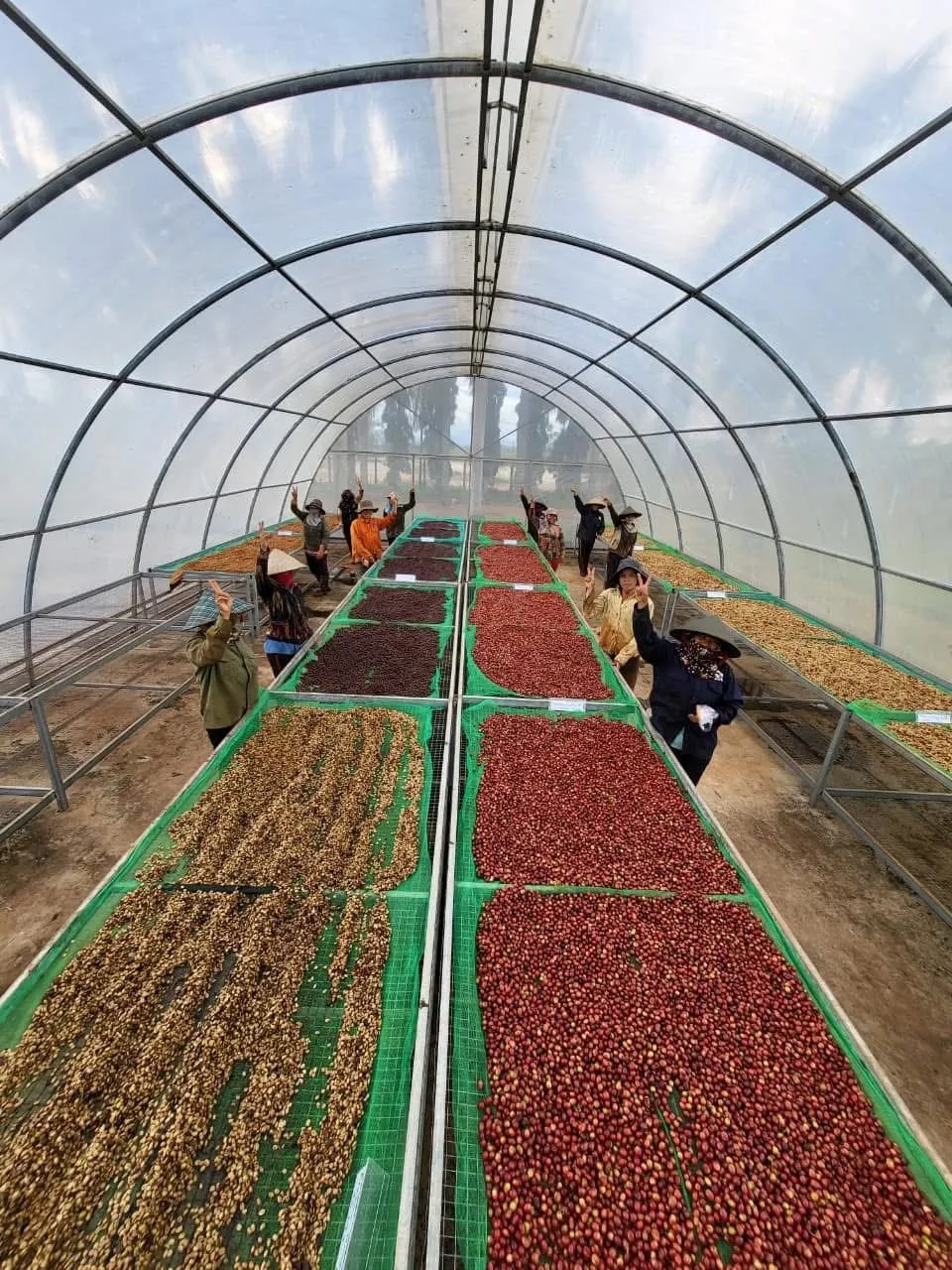
We start with carefully selected beans from trusted farms in Dalat, Son La, Gia Lai and Dak Lak. Every lot is chosen on three criteria:
- • Defect-free beans
- • Proper moisture content
- • Flavor potential aligned with our roasting approach
Roast stages
Three phases in every roast.
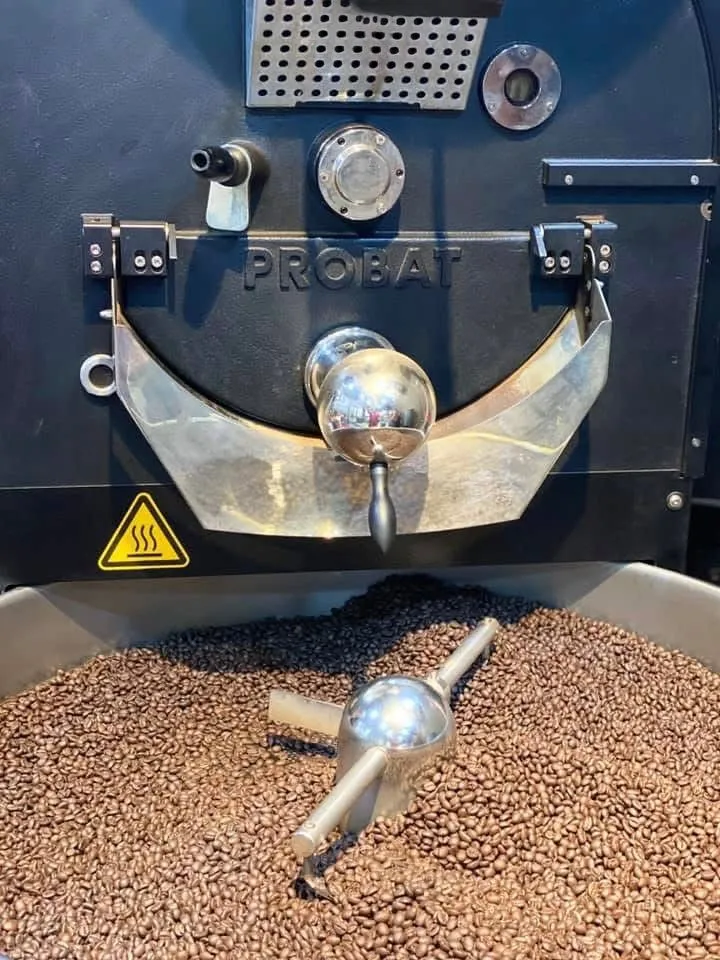
Drying
Beans change from green to yellow as moisture leaves the bean.
Browning
Aromas develop and sugars begin to caramelize.
First crack
Beans expand and audibly crack — now fully drinkable.
Roast levels & recommended use
Find your roast.
Light roast
Bright, fruity, higher acidity.
Best for: Filter brewing & black coffee
Medium roast
Balanced sweetness and body, softer acidity.
Best for: Espresso & milk-based drinks
Dark roast
Bold, chocolatey, lower acidity.
Best for: Vietnamese-style & iced coffee
Quality control & cupping
Nothing substandard reaches you.
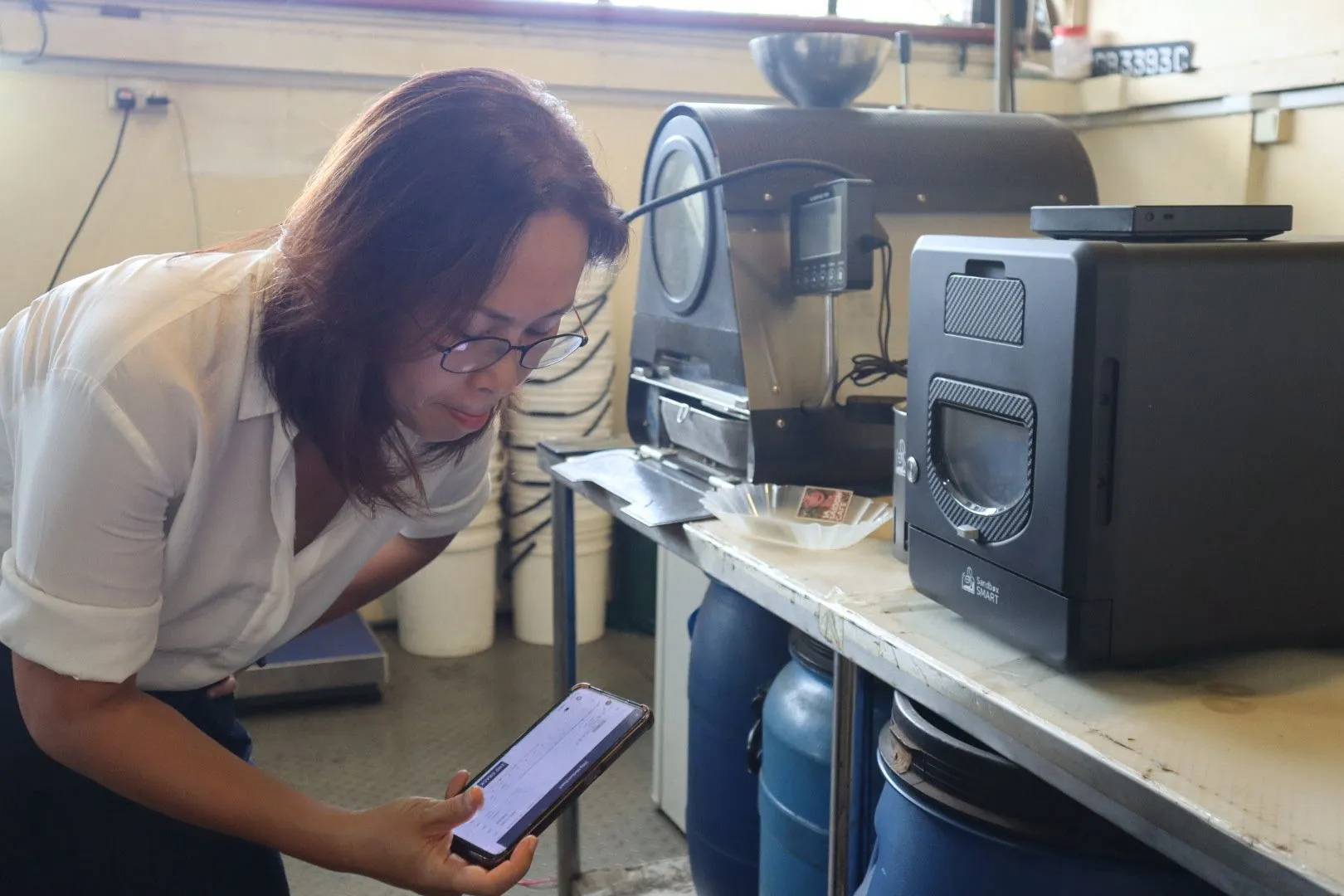
Every batch undergoes visual inspection, flavor evaluation and consistency documentation before release. Substandard roasts don't reach customers.
Storage & freshness
Enjoy at its peak.
- Retail bags peak within 4–6 weeks of roasting, stored sealed away from heat and light.
- Commercial clients should use opened bags within 10–14 days.
We'll help you serve it well.
We collaborate with cafés and restaurants on menu selection and brewing support. Let's build the right coffee program for your space.
Talk to us about supply